
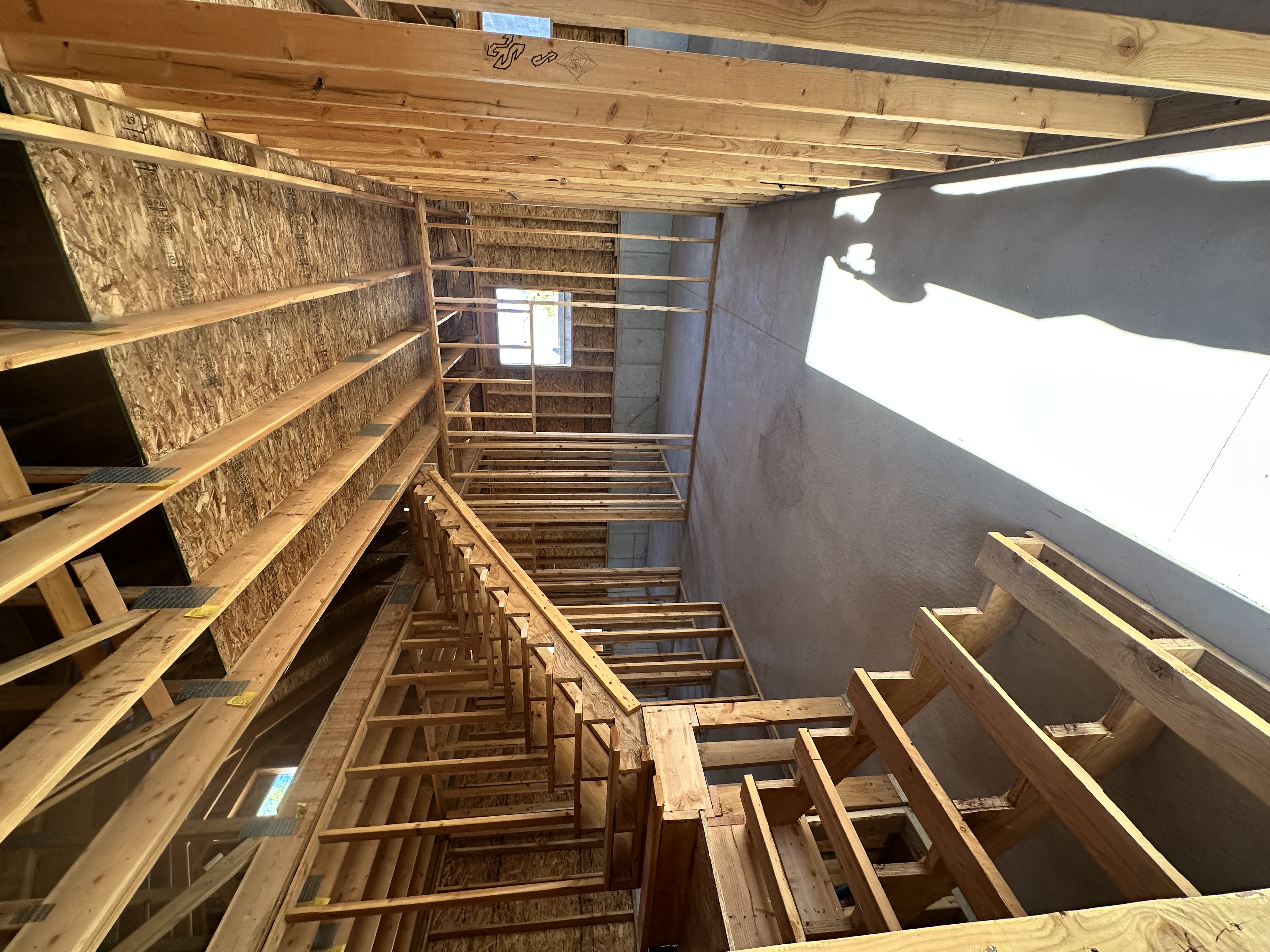
How Much Does It Cost to Build a Custom Home in Utah?
Learn why custom home costs in Utah vary by site, design, engineering, finishes, permits, and market conditions, without relying on a generic price promise.
The honest answer is that a custom home budget should be built around the property, the plan, the finishes, and the construction path. A single online number can be useful for curiosity, but it can also create false expectations fast.
That is especially true in Utah, where the same square footage can price very differently depending on the city, the slope of the lot, utilities, soil conditions, basement plans, garage size, snow and drainage design, finish selections, and how far the plans have been developed before pricing starts.
So instead of giving a one-size-fits-all price that might not fit your site, this guide explains the cost drivers that matter most and how to have a better first budget conversation with a builder.
Why public cost averages are only a starting point
National housing data can help show the direction of the market. For example, the U.S. Census Bureau and HUD New Residential Sales report tracks new single-family homes sold, inventory, and broad national price movement. That is helpful context, but it is not the same thing as pricing a custom home on a specific Utah lot.
The Census Survey of Construction definitions also show why careful wording matters. Contractor-built house data uses the original contract awarded to the general contractor, generally excludes land, and does not fully capture later change orders or work handled by other contractors. In plain English: even official data has boundaries.
Material and supplier markets move too. The Bureau of Labor Statistics Producer Price Index tracks price changes received by domestic producers, including construction-related categories. Those movements are one reason a budget discussion early in planning can look different from a quote after engineering, plans, selections, and bids are complete.
The takeaway: averages are good for orientation, but a Utah custom home should be priced from real drawings, real site assumptions, and current subcontractor and material input.
The biggest cost drivers in a Utah custom home
When homeowners ask what it costs to build, they are often thinking mainly about square footage. Square footage matters, but it is only one part of the picture.
- Site conditions: slope, excavation, drainage, retaining, driveway access, utility distance, septic or sewer availability, and soil conditions can all affect the budget before vertical construction begins.
- Foundation and structural requirements: basements, walkouts, tall walls, large spans, heavy snow considerations, expansive soils, and engineering requirements can change both material and labor needs.
- Design complexity: a simple rectangle is usually easier to build than a home with many corners, roof transitions, decks, covered patios, vaulted rooms, or custom structural details.
- Finish level: cabinets, counters, windows, flooring, tile, lighting, plumbing fixtures, appliances, stairs, railings, doors, and trim can move the budget more than many people expect.
- Mechanical and energy choices: HVAC design, insulation strategy, windows, fireplaces, smart-home wiring, solar readiness, and specialty systems should be discussed early.
- Permits, reviews, and local fees: city and county requirements vary, and some projects include impact fees, utility fees, plan review costs, or outside engineering.
- Timing and procurement: long-lead items, material price changes, subcontractor availability, and change orders can affect the final path.
Why price per square foot can be misleading
Price per square foot is tempting because it feels simple. The problem is that it hides the decisions that actually drive the number.
Two homes can have similar square footage and completely different budgets if one has a steep lot, a walkout basement, upgraded windows, complex rooflines, a large garage, high-end interior finishes, or a longer utility run. A smaller home with premium details can also cost more per square foot than a larger, simpler home because kitchens, bathrooms, mechanical systems, and fixed project costs do not shrink evenly.
A better first question is not, "What is your price per square foot?" It is, "Based on this site, this level of design, and this finish expectation, what budget range should we be planning around before we invest too deeply in drawings and selections?"
Utah-specific questions to answer before you set a budget
A useful early estimate starts with the property. Before treating any budget as realistic, work through questions like these:
- Is the lot already improved, or will it need major utility, driveway, grading, drainage, or retaining work?
- Is the home in a city, county, HOA, hillside area, or subdivision with architectural standards?
- Will the design include a basement, walkout basement, attached shop, detached garage, sport court, pool house, ADU, or future expansion plan?
- Are there known soils, groundwater, slope, access, or drainage issues that should be reviewed before final pricing?
- Are you comparing a production-style plan, a semi-custom plan, or a fully custom home with new design and engineering?
- Have finish expectations been defined enough for cabinets, counters, flooring, tile, fixtures, windows, doors, and exterior materials?
Local fees can also vary by jurisdiction. Utah has a state-level framework for impact fees in the Utah Impact Fees Act, but the practical budget conversation still has to account for the city, county, utility provider, and permit path tied to the actual address.
A safer way to think about budget ranges
Because every project is different, we usually think in terms of planning ranges instead of promises. Those ranges are not only about size. They are about the difficulty of the site, the completeness of the plans, the structural requirements, and the finish level.
A straightforward custom home on a prepared lot with efficient design choices belongs in a different conversation than a home with significant excavation, a complex foundation, premium finishes, specialty rooms, or a demanding architectural package.
That is also why a very early number should be treated as a planning tool, not a final price. The goal is to decide whether the desired home, property, and budget are generally aligned before everyone spends time and money on detailed plans.
What to bring to a first builder conversation
You do not need a finished plan set to start the conversation, but the more real information you can bring, the more useful the guidance will be.
- The property address, parcel number, subdivision name, or city/county where you want to build.
- Any survey, site plan, geotechnical report, utility information, HOA packet, or concept drawings you already have.
- A rough home size, bedroom and bathroom count, garage plan, basement expectations, and must-have spaces.
- Examples of finish quality you like, especially kitchens, bathrooms, flooring, exterior materials, and windows.
- A realistic target budget range and a list of what is flexible versus non-negotiable.
- Your ideal timeline, financing status, and whether land has already been purchased.
How Platypus helps narrow the range
Platypus Design and Construction is set up to help connect early planning with the build itself. Our custom home construction team can look at the site, scope, and likely construction path before you are locked into choices that may be expensive to unwind.
If your project is still in the planning stage, our custom home design and new build plans services can help coordinate the design, drafting, and engineering questions that affect real pricing.
If the lot itself is the big unknown, it may be worth looking at residential site work early so grading, access, drainage, excavation, and utility assumptions are not left as vague allowances.
We also support local custom home projects in Utah County and Salt Lake County, with Idaho Falls content available for homeowners planning in eastern Idaho.
Frequently asked questions
Can a builder give me a price before plans are finished?
A builder can usually give early guidance, but a dependable quote needs enough detail to price the real scope. The earlier the conversation, the more the number should be treated as a planning range.
Is price per square foot useful for comparing builders?
It can be a rough filter, but it should not be the main comparison. Ask what is included, what is excluded, how site work is handled, what finish level is assumed, and how allowances and change orders work.
Should I buy land before talking to a builder?
If possible, talk to a builder before buying or during due diligence. A beautiful lot can still carry hidden costs tied to utilities, access, soils, slope, drainage, permitting, or HOA requirements.
Why do custom home budgets change?
Budgets can change when plans become more detailed, selections are upgraded, site conditions are discovered, permit requirements become clearer, or material and subcontractor pricing moves. Good preconstruction work is meant to reduce those surprises.
Bottom line
The cost to build a custom home in Utah depends on the property, the design, the engineering, the finish level, the local review path, and the market at the time you are ready to build. Online averages can help you understand the landscape, but they should not be treated as a promise for your home.
The best next step is a careful preconstruction conversation that turns broad ideas into a realistic planning range, identifies the biggest unknowns, and helps you decide what to design, simplify, phase, or upgrade before the project gets expensive.
Sources used for this guide
- U.S. Census Bureau and HUD: New Residential Sales
- U.S. Census Bureau: Survey of Construction definitions
- U.S. Bureau of Labor Statistics: Producer Price Index
- Utah Legislature: Utah Impact Fees Act


